


How to Build an Emergency Fund: A Practical Guide to Financial Security
Updated March 23, 2026
Key Takeaways
- An emergency fund protects you from unexpected costs and helps you avoid high-interest debt: Having savings set aside means you can deal with problems like home repairs, medical bills, or job loss without relying on credit cards, overdrafts, or loans.
- Most experts recommend saving three to six months of essential living expenses: £500-£1,000 can still make a meaningful difference. Steadily building an emergency fund is more important than rushing to hit the target.
- Consistency and smart habits are key to building and maintaining a reliable financial safety net: Automate savings, cut unnecessary spending, and review your fund often. Small, regular contributions can grow into a strong buffer over time.
An emergency fund is essential for financial security. Life often surprises us with unexpected expenses, like a broken boiler in winter, a car repair before payday, or losing your job. Without savings for these situations, you might end up using credit cards, overdrafts, or loans, which can quickly lead to expensive debt.
The reality is that many people in the UK don’t have a financial safety net. Research from money.co.uk shows that about a quarter of UK adults have less than £100 in savings. Other studies show the same concern. The Financial Conduct Authority’s Financial Lives Survey found that nearly one in four UK adults has low financial resilience, so even a small financial shock would be hard to manage.
I’ve always thought that saving money isn’t just about getting richer; it’s about giving yourself breathing room. When I was younger, I learned firsthand how an unexpected bill can mess up your finances. Now, I see an emergency fund as more than just a savings account. It gives you peace of mind and lets you sleep better, knowing you can handle problems without panicking.
In this guide, I’ll show you how to start an emergency fund, how much to save, where to keep your money so it’s safe and easy to access, and some practical tips to help you save, even if money is tight.
What's in Savoo's Guide on How to Build an Emergency Fund
- Why do you need an emergency fund?
- How much money should you have in an emergency fund?
- Where should you keep your emergency fund?
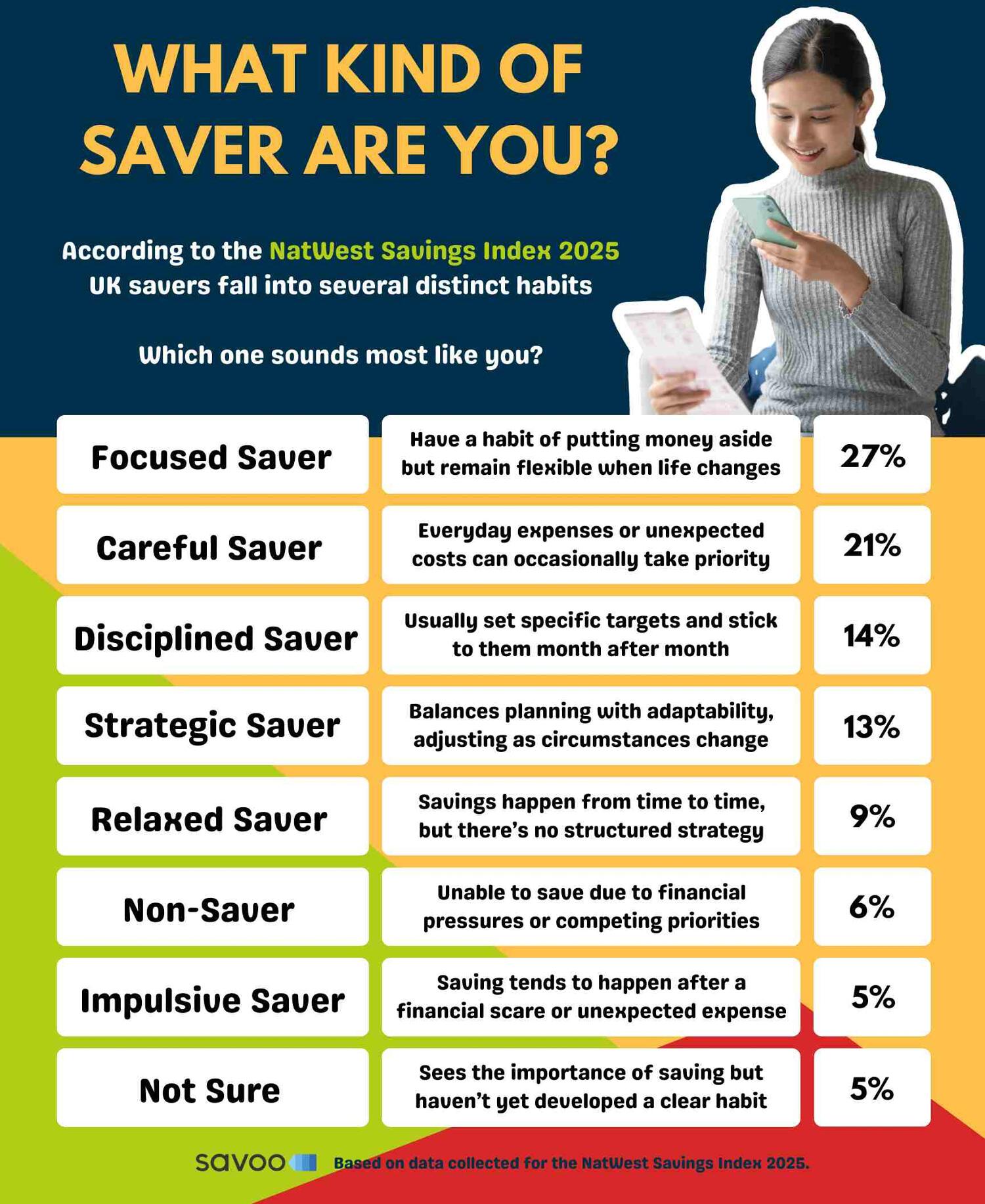
- What kind of saver are you?
- 6 practical tips for building your emergency fund
- How to maintain your emergency fund
- Emergency fund final thoughts
- Take charge of your energy future
- Smart meter frequently asked questions
Photo by Towfiqu barbhuiya on Pexels
Why do you need an emergency fund?
An emergency fund acts as a safety net for unexpected expenses, so you don’t have to rely on credit cards, overdrafts, or loans. Without this cushion, even small financial surprises can quickly become bigger problems.
With an emergency fund, you can handle financial surprises calmly instead of worrying about how to pay for them. More importantly, it helps protect your long-term goals, like saving for a home, growing your investments, or keeping your household budget steady.
Here are some key reasons why building an emergency fund should be one of your top financial priorities.
Protect yourself from unexpected expenses
Unexpected costs are a leading reason people end up in debt. Every day life can bring surprise bills that most households aren’t ready for. Common unexpected expenses include:
- Boiler breakdowns or home repairs – According to a recent Checkatrade cost guide, a new boiler in the UK can cost £2,000 or more.
- Car repairs or MOT failures – Even minor issues can quickly run into hundreds of pounds. Fixmycar analysis reveals that car repair costs in London range between £49.26 and £563.32 on average.
- Emergency medical or dental treatment - According to the Department of Dentistry Journalism at urgentcaredental.co.uk, private dental treatments usually cost between £80 and £400 for common procedures, while more complicated work can cost over £1,000!
- Essential appliance replacements - If your washing machine, fridge freezer, or cooker breaks down, you often have to replace it right away, even if it’s not in your budget. In the UK, a new washing machine usually costs about £400, according to Debbie Young at Scrub Hub.
Without an emergency fund, many people use credit cards or short-term loans to cover these costs. If you have savings set aside, you can pay for the problem right away and avoid extra interest charges.
Avoid high-interest debt
One of the main benefits of an emergency fund is that it helps you avoid borrowing money when something unexpected happens.
When people don’t have savings, they often rely on:
- Credit cards with high interest rates.
- Overdrafts.v
- Payday loans or short-term borrowing.
These options might fix the problem right away, but they often lead to bigger financial issues later. Interest charges can quickly turn a £500 emergency into a £700 or £800 bill. Stop short-term problems from turning into long-term debt.
Financial stability if you lose your job
Losing your income is one of the toughest financial emergencies you can face.
Research from NerdWallet UK shows that many people think they could keep up their lifestyle for just over four months if they lost their job. While that might sound reassuring, finding a new job can sometimes take longer than you expect.
An emergency fund helps bridge that gap by covering essential costs such as rent or mortgage payments, utility bills, food and everyday living expenses. Transport costs should also be considered while hunting for a new job.
Gain peace of mind and financial confidence
In my experience, the biggest benefit of an emergency fund isn’t just the money. It’s the peace of mind that comes with knowing you’re prepared.
When you know you have savings set aside, financial problems feel manageable instead of overwhelming. A broken appliance or surprise bill becomes an inconvenience, not a crisis. It also lets you focus on your long-term goals without always worrying about what could go wrong next.
Simply put, an emergency fund is more than just savings. It gives you financial security, flexibility, and the confidence to handle whatever life brings.
I got caught out last year when the boiler packed in just after the New Year. What started as a £90 call-out quickly turned into a repair bill of over £1,500, exactly the kind of situation an emergency fund is there for. Having some money set aside meant I could deal with it straight away, without the stress of figuring out how to pay for it!

How much money should you have in an emergency fund?
How much you should save in your emergency fund depends on your own situation and goals. Things like your monthly expenses, family size, and job stability all help determine the right amount for you.
Some households may find that a few thousand pounds is enough to feel secure. Others, especially those with dependents or unpredictable income, might need a bigger safety net.
The main thing is to find a balance between aiming high and making a plan you can stick to. Building an emergency fund is about sticking with it, not being perfect. The most important part is to start and keep adding to your savings over time.
Set a realistic savings target
Financial experts generally recommend saving three to six months’ worth of essential living expenses in your emergency fund. This guidance is widely cited by organisations such as Experian, which suggests this range as a practical financial buffer.
Your emergency fund should cover important costs like:
- Rent or mortgage payments.
- Utility bills.
- Groceries.
- Transport costs.
- Insurance and other unavoidable expenses.
For example, if your essential monthly spending is £1,500, you’d want an emergency fund between £4,500 and £9,000. Research by NatWest shows that the average UK adult saves about £226 each month.
At that rate, it can take a while to build a full emergency fund. That’s why being consistent is more important than saving quickly.
Start small and build momentum
Saving several months of expenses can seem overwhelming, especially if you’re starting from zero. But even a small emergency fund can make a big difference.
Rather than aiming for the full amount right away, begin with a smaller goal.
A common short-term goal is £500 to £1,000 as a starter emergency fund.
This amount is often enough to deal with smaller financial surprises, such as car repairs, minor home maintenance, unexpected travel costs, and medical or dental bills.
Once you reach your first goal, you can keep building toward the bigger three- to six-month target with much more confidence.
Adjust your emergency fund to your situation

Photo by Sasun Bughdaryan on Unsplash
The usual three-to-six-month rule is a good starting point, but it doesn’t fit everyone. Your ideal emergency fund might be bigger or smaller based on your own situation.
You might want to save closer to six months or more if you:
- Are you self-employed or have an irregular income?
- Support children or dependents.
- Work in a less stable industry.
- Own a home with potential maintenance costs.
On the other hand, if you have a steady job, two incomes in your household, or good workplace benefits, you might feel fine saving at the lower end of the range.
The goal isn’t to reach the perfect number right away. It’s about slowly building a financial cushion so you can handle life’s surprises without needing to borrow money.
Where should you keep your emergency fund?
If you’re asking, ‘Should I have an emergency account?’ the answer is almost always yes. But choosing where to keep your emergency fund is just as important as building it in the first place.
The best account lets you get to your money quickly and keeps it safe from avoidable risks. It’s even better if your emergency savings can earn some interest, so your fund grows slowly over time.
When deciding where to store your emergency fund, prioritise three key things.
Easy access savings accounts
Your emergency fund needs to be safe, simple to reach, and kept apart from your regular spending account. In my experience, an easy access savings account works best for most people. With these accounts, you can take out money quickly if something unexpected happens, like a car repair, a problem at home, or an urgent trip.
Most UK banks and building societies have easy access accounts with good interest rates. Also, if you save with an authorised UK bank, your money is protected by the Financial Services Compensation Scheme (FSCS). This means that up to £85,000 per person, per bank or building society, is protected if the institution fails.
For most households, this protection makes easy access savings accounts a safe and practical place to keep an emergency fund. If you want to find the best deals, websites like MoneySavingExpert or Moneyfacts keep up-to-date lists of the top savings rates in the UK.
Avoid risky investments
It might seem tempting to invest your emergency fund for higher returns, but this adds risk you don’t need.
Emergency savings should always be reliable and ready to use, unlike long-term investments. If your money is in the stock market, its value could drop just when you need it most.
Markets can change quickly, and investments that look good now might lose value soon. Plus, some investments take days to turn into cash, which isn’t helpful if you need money fast.
That’s why most financial experts say it’s better to keep your emergency fund in cash savings instead of investments.
Premium bonds as an alternative
If you like the idea of earning something extra from your savings, Premium Bonds from NS&I could be another option to consider. With Premium Bonds, you don’t earn interest. Instead, your savings go into a monthly prize draw, giving you the chance to win tax-free prizes from £25 up to £1 million.
Although returns aren’t guaranteed, your money is fully backed by the UK government, making Premium Bonds one of the safest places to keep your savings. Another advantage is that you can usually withdraw your money within a few working days if you need it.
For many people, Premium Bonds work well as part of an emergency fund, especially once you’ve built up your main savings goal.
6 practical tips for building your emergency fund
Making small adjustments to your financial routine will let you gradually build a robust safety net. From automating your savings to wisely making the most of unexpected windfalls, there are countless ways to grow your emergency fund without feeling deprived.
I have found that the key to staying committed is to view every contribution as a step toward financial security, no matter how small. If you're in a hurry, learn how to save money quickly with our free guide.
1 Automate your savings
One of the easiest ways to boost your emergency fund is to set up a standing order. Transfer a fixed amount into your monthly savings account to steadily build a nest egg. Busy lives often lead to important tasks like transferring money between accounts getting overlooked.
Automating the process ensures consistency and removes the temptation to spend money elsewhere.
2 Cut back on non-essential spending
It's a good idea to regularly review your monthly budget to identify areas you can cut back on. Do you have any unused subscriptions that could be cancelled? Perhaps consider dining out or getting takeaways less often to make your money go further. Finding cheaper alternatives for everyday groceries can also add up over time. For example, swapping a daily £3 coffee for a homemade brew could save you nearly £1,000 a year!
Learning how to become debt-free will also unlock more possibilities to save.
3 Keep your emergency fund separate
Putting your emergency savings in a separate account from your daily spending can really help. If the money stays in your main account, it’s tempting to use it for things that aren’t real emergencies.
Having a separate savings account adds a small mental barrier that helps keep your emergency fund safe. You can still get to the money if you need it, but you’re less likely to spend it on other things. Some people even rename their account ‘Emergency Fund’ or ‘Rainy Day Savings’ to remind themselves what it’s for.
4 Use unexpected windfalls wisely
If you're lucky enough to receive unexpected money, such as a tax rebate, work bonus, or cash gift, consider putting a portion (or all) of it into your emergency fund.
Money windfalls can significantly boost your savings without affecting your monthly budget, so it pays to avoid the spending temptation that comes with unexpected things like lottery wins and competition prizes.
5 Take advantage of government benefits and schemes
Far too many of us don't take advantage of government schemes designed to provide financial support. Schemes like Universal Credit or the Warm Home Discount can free up money in your budget to then allocate toward savings.
Check your eligibility on websites like Gov.uk, and don't be ashamed to get what you're entitled to. If you're eligible for benefits or tax credits, claim them!
6 Consider pension sidecar savings
Employer-backed savings schemes, such as "sidecar" arrangements, have gained popularity among younger employees because they automatically save a portion of a person's salary.
Traditionally, a tool to encourage people to save for retirement, sidecar plans allow access to savings in case of an emergency. Research by BlackRock found that 95% of Generation Z and 85% of millennials favour this setup, indicating a strong preference for automated saving mechanisms to build financial resilience.
How to maintain your emergency fund
Building an emergency fund is a big step, but it’s just the beginning. Like other parts of personal finance, you can’t just set it up and leave it alone.
Your emergency fund should evolve alongside your life. Changes in income, household costs, and economic conditions can all affect how much you need to set aside. Without occasional maintenance, a fund that once felt comfortable can gradually become inadequate.
Keeping your emergency fund in good shape takes both discipline and awareness. Psychological studies show we often focus on short-term rewards, so it’s easy to spend now instead of saving for later. Still, having that safety net is worth much more, especially when life gets tough.
Here are some simple ways to keep your emergency fund strong for the long run.
Replenish the fund after you use it
An emergency fund is only helpful if it’s ready for whatever comes next.
If you have to use your fund for a real emergency, try to rebuild it as soon as you can. Even small monthly deposits will slowly bring it back up.
One way to do this is to increase your automatic savings for a while until your fund is back to its target amount.
Review your emergency fund at least once a year
Life is always changing. Rent can go up, family situations shift, and your expenses change over time.
That’s why it’s a good idea to check your emergency fund at least once a year to see if it still fits your needs.
Ask yourself a few simple questions:
- Have my essential monthly expenses increased?
- Has my income or job security changed?
- Do I now have additional dependents or responsibilities?
If you answer yes to any of these, you might need to change your savings goal.
Protect your savings from inflation
Inflation slowly reduces what your savings can buy. If your emergency fund stays the same for years but living costs go up, it might not last as long as you planned.
For example, UK inflation jumped to over 11% in 2022, the highest level in decades. By early 2026, it dropped to about 3% according to the Office for National Statistics. This shows how quickly living costs can rise and why you should check your emergency fund regularly.
By checking your fund regularly and raising your target when needed, you make sure it still provides the protection you want.
Be clear about what counts as an emergency
It’s easy to weaken your emergency fund by using it for things that aren’t real emergencies. Holidays, new gadgets, or impulse buys should come from other savings.
Being clear about what counts as an emergency helps keep your fund safe for when you truly need it.
Use technology to manage your emergency fund
Today’s banking tools make it much easier to manage your savings than it was just ten years ago. They will help you build good habits and make it much easier to keep your emergency fund in shape.
Many banking apps now allow you to:
- Track progress toward savings goals.
- Set automatic transfers.
- Create labelled savings pots.
- Receive spending insights and alerts.
There is a wide range of money-saving apps and banking tools that can help you manage your money more effectively. Your existing bank will have free advice on emergency savings. You should also learn about the ways AI can save you money for further assistance.
Final thoughts: An emergency fund is the key to long-term financial security
After years of dealing with mortgages, family expenses, car repairs, and surprise bills, I’ve realised that life doesn’t always go as planned. There’s always something unexpected. That’s why having an emergency fund is so important.
Having an emergency fund isn’t about being negative or always expecting trouble. It’s about giving yourself some space to breathe when life throws you a curveball. I think of it like a seatbelt for your finances. You hope you won’t need it, but if you do, you’ll be really glad it’s there.
One thing’s for sure: you’ll thank yourself later for starting an emergency fund now!
Frequently Asked Questions
Is there an emergency fund calculator?
An emergency fund calculator shows you how much money to set aside for unexpected costs. These calculators usually ask for your main monthly expenses, like rent or mortgage and groceries. They then suggest saving enough to cover three to six months of these costs.
For example, if you spend £1,500 each month on essentials, the calculator will suggest saving between £4,500 and £9,000. You can find free emergency fund calculators on many bank websites, financial sites, and budgeting apps to help set your savings goal.
Can I use a Child Trust Fund as an emergency fund?
A Child Trust Fund (CTF) is a savings account created by the UK government for children born between 1 September 2002 and 2 January 2011. The money is owned by the child and usually cannot be used until they turn 18, so it is not meant for parents or guardians to use in emergencies.
Emergency funds are best kept in accounts that let you get your money quickly, like an easy-access savings account. A Child Trust Fund is a good way to save for a child’s future, but it is meant for things like education, housing, or helping them start adult life, not for unexpected costs.
What is a budgeting loan and can it help in a financial emergency?
A Budgeting Loan is an interest-free loan from the UK government’s Social Fund. It helps people on certain benefits pay for important costs like household items, rent in advance, travel, or maternity expenses. Since there is no interest, repayments are taken gradually from your benefits instead of adding extra charges.
A budgeting loan can help with important expenses if you qualify, but it does not replace having an emergency fund. To get the loan, you must receive certain benefits and meet set rules. An emergency fund, on the other hand, lets you use your own savings right away when something unexpected happens.
You May Also Like

How to Save Money Quickly
by Ed Fleming | 17/6/2025
8 Tips to Help You Save Money as a Teenager
by Ed Fleming | 24/4/2025
How to Save Money on a Low Income
by Ed Fleming | 20/1/2025
Get discounts at these popular retailers with our voucher codes and promo codes
- MedExpress
- Pets at Home
- MuscleFood
- early learning centre
- MyHeritage
- Roman
- QVC
- Disney Store
- AliExpress
- Virgin Experience Days
- Jacamo
- G Adventures
- iHerb
- iScooter
- P&O Ferries
- Argos
- John Lewis
- Debenhams
- TUI
- Marks & Spencer
- SHEIN
- Very
- Buyagift
- Zavvi
- First Choice
- Dorothy Perkins
- New Look
- Karen Millen
- Footasylum
- Clarks
- H Samuel
- Ernest Jones
- Tesco
- Sainsbury's
- Interflora
- Hotel Chocolat
- Boots
- Holland and Barrett
- LOOKFANTASTIC
- The Body Shop
- B&Q
- Wickes
- Dunelm
- ao.com
- Currys
- Nike.com
- SPORTS DIRECT
- Halfords
- Myprotein
- Domino's
- boohoo
- Missguided
- HP
- Sky
- BT Broadband
- Travelodge
- lastminute
- Bulk
- Samsung
- Booking.com
- Boomf
- In The Style
- Pizza Hut
- Ted Baker
- Hive Home
- Omio
- Mindful Chef
- Amazon
- Amazon Prime Free Trial
- VonHaus
- Gtech
- BAM
- Home Essentials
- Alienware
- Gousto
- Moonpig
- Pandora
- Papa John's
- Toolstation
- eBay
- NordicTrack
- Bloom and Wild
- Asos
- Superdrug
- JD Sports
- Temu