


Is Now the Right Time to Get a Smart Meter?
Updated March 16, 2026
Key Takeaways
- Smart meters make it easier for households to manage their energy use: Smart meters automatically send readings and show real-time usage, so you can see where your energy goes and spot ways to cut costs.
- The main advantage of a smart meter is that it lets you see exactly how much energy you use: Watching your energy use in real time can reveal habits and show which appliances use the most, making it easier to change routines and use less energy overall.
- You don’t have to get a smart meter, but having one can open up new ways to save money: With a smart meter, you can try smart tariffs and get a clearer picture of your energy use, helping you make smarter choices about what you spend.
Smart meters are a simple home energy upgrade that makes things easier and helps you save money. Instead of waiting for estimated bills or having to send in your own readings, a smart meter shows you exactly how much electricity or gas you use, when you use it, and where you could make small changes to lower your monthly bill. If you’re trying to keep a closer eye on your spending, like I am, this information can be really useful.
According to UK Government data, households with smart meters usually use about 3% less electricity and 2% less gas on average once they start paying more attention to their energy use. These savings might look small at first, but over a year, they can add up, especially when energy prices keep changing. If you don’t have a smart meter yet, you might be wondering if now is the right time to get one.
There isn’t a simple answer. Whether a smart meter is right for you depends on your home, your energy habits, and how closely you want to track your usage. Some people find smart meters really helpful, while others don’t see much difference. I’ve spent years trying to cut household costs and probably check my energy use more than most people.
From my experience, it’s important to know what smart meters can and can’t do. In the next sections, we’ll go over everything you need to know about smart meters. We’ll look at how they work, their pros and cons, and whether getting a smart meter could help you save money.
What's in Savoo's Guide to Smart Meters
- What is a smart meter?
- The key benefits of installing a smart meter at home
- How much does a smart meter cost?
- 5 common concerns about smart meters
- Do I have to get a smart meter?
- Should you wait or get a smart meter now
- How to maximise savings with a smart meter
- Take charge of your energy future
- Smart meter frequently asked questions
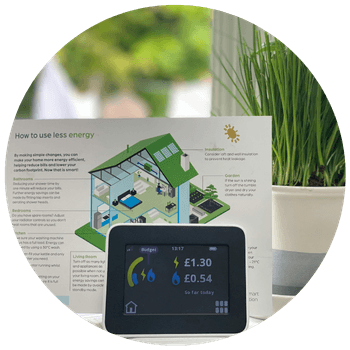
Photo by Siân Wynn-Jones on Unsplash
What is a smart meter?
A smart meter is a digital device that replaces the old gas and electricity meters in many homes. Its main job is to measure how much energy your household uses and send that information straight to your energy supplier.
Unlike older meters, which often use estimated readings, smart meters ensure your bills are based on your actual energy use. This means fewer surprises, and you rarely have to send in readings yourself.
If you like to keep track of your household spending, having accurate information about your energy use makes it much easier to manage your bills.
The key benefits of installing a smart meter at home
Installing a smart meter has several practical benefits, especially if you want to keep track of your household spending. Smart meters help by removing estimated bills and showing you exactly how your home uses energy, making it easier to manage your energy use.
Here are some of the main benefits homeowners often notice after installing a smart meter.
Say goodbye to estimated bills with automatic meter readings
One of the main benefits of a smart meter is that it automatically sends readings to your supplier.
With a traditional meter, suppliers often estimate your energy use unless you regularly submit your own readings. These guesses can be off, which is why some households end up with unexpected catch-up bills later.
Smart meters solve this problem by automatically sending readings. Most send data at least once a month, but you can also have them record your energy use every 30 minutes if you want. This gives you a much clearer idea of how and when you use energy at home.
Real-time energy monitoring
When you get a smart meter, it usually comes with a small device called an in-home display, or IHD. The screen shows how much energy you’re using in real time, often displayed in pounds and pence, so you can see the cost as you go. I find the instant feedback very helpful.
A smart meter can help you:
- Monitor your daily energy habits.
- Identify energy-hungry appliances.
- Make informed decisions about where to cut back.
You might notice how quickly costs rise when the tumble dryer is on, or how little power some appliances use. Over time, small insights can help you make better choices about when and how you use energy.
I’ll admit I was a bit sceptical about having an in-home display at first, but I ended up checking it more than I expected. After a few days, you start to notice what actually drives your energy use. For me, it was the tumble dryer more than anything else. Seeing the energy you’re using in real time definitely makes you think twice about switching things on.

App connectivity and remote monitoring
Many energy suppliers now offer mobile apps that connect to your smart meter. The apps let you check your energy use wherever you are. You can track trends, review past usage, and sometimes control smart home features. Some people use them to watch their heating or check usage when they’re away from home.
It’s another bit of convenience that just wasn’t possible with old-style meters.
Smart meters support a greener future
Smart meters aren’t just for tracking your bills. They can also help you use less energy overall. With real-time updates, you can spot your habits and make small adjustments. Over time, these little changes can really make a difference.
Using less energy isn’t just good for your wallet. Smart meter data also helps energy suppliers see when people use the most electricity and gas. This helps them manage energy more efficiently and depend less on fossil fuels during busy periods.
Recent Government research found that smart meters helped save over 1.25 million tonnes of carbon dioxide emissions on the DCC network in 2005.
Unlock energy-saving tariffs and deals
With a smart meter, you can get energy tariffs that aren’t available with older meters. Many suppliers now offer smart tariffs that use half-hourly data to set prices that change with demand. For example, electricity may cost less during quiet times or overnight when the grid is less busy.
These tariffs are most helpful if you can move some of your energy use, like running appliances, charging electric cars, or doing laundry, to off-peak hours. Energy companies may also offer special deals or rewards for smart meter users because the technology helps them predict demand and manage supply more easily.
If your household can be flexible about when you use energy, these tariffs could help you save more money over time.
'A smart meter gives you access to a greater range of energy tariffs, such as Time-of-Use tariffs. These offer you cheaper rates during off-peak hours, so you can save money by running power-hungry appliances and charging vehicles during this time. Households with a smart meter may also be eligible for the Demand Flexibility Service (DFS). This scheme rewards you for reducing your energy consumption during peak hours.’
How much does a smart meter cost?
Most households do not have to pay anything up front for a smart meter. Across Great Britain, energy suppliers usually provide and install smart meters for free as part of the national rollout. The Smart Metering Implementation Programme (SMIP) aims to modernise the energy system, improve billing accuracy for consumers, and help create a more flexible and efficient energy grid.
Most major suppliers, including those offering British Gas smart meter and Octopus Energy smart meter installations, so you usually will not have to pay to get a smart meter installed at home. Still, there are a few important things to know about how the system works.
The unseen cost of smart meters
Smart meters help energy suppliers lower their operating costs: they reduce manual meter readings, site visits, and some customer service tasks, which can make it cheaper to manage each account over time.
Smart meters give energy companies better data: With more frequent meter readings, suppliers can forecast demand more accurately, manage prepayment accounts more efficiently, and run parts of the energy system with less waste.
Smart meters support tariffs that can be commercially useful for suppliers: Smart meters enable smart tariffs and time-of-use pricing, which help suppliers shift demand away from peak periods and run a more flexible smart energy system.
Smart meters can help suppliers keep their customers: Some deals and features are only available if you have a working smart meter, which can encourage people to stay with their supplier. The Department for Energy Security and Net Zero (DESNZ) also notes that smart meters can make it easier for customers to switch suppliers.
The cost of smart meters is not paid upfront: Households are not usually billed separately for installation, but the overall costs are spread across the energy market and recovered over time. Take a look at the latest Ofgem advice for more information.
In the vast majority of cases, installing a smart meter is straightforward and free for households. That said, it’s still worth checking with your supplier before booking an appointment so you understand exactly what’s included.
'The installation and display unit are free and the meter doesn’t need a Wi-Fi connection, so there are no upfront costs associated with getting a smart meter. The person installing the meter should also run through how it works, so you can start using it straight away. Some people do worry about the cost of having the display unit plugged in but as this uses no more than 1kW of energy per year, it should add less than 25p to your annual bill.'
5 common concerns about smart meters
If you’re still deciding whether to get a smart meter, you’re not alone. Many people are happy with them, but some common concerns do come up. Here are a few of the main ones.
1 Compatibility issues
Some of the first smart meters, called SMETS1 meters, sometimes lost some features when people switched energy suppliers. The meter would still track your usage, but it might stop sending readings automatically.
Newer SMETS2 smart meters were made to fix this problem. They use a central network run by the Data Communications Company (DCC), so they should keep working even if you switch suppliers.
2 Privacy and security
Since smart meters automatically send readings to your energy supplier, some people worry about how their data is used. But there are strict rules and security standards to protect your information.
Your energy usage data is encrypted and only shared with approved organisations. Energy suppliers can only see detailed half-hourly data if you give permission, and you can decide how often readings are shared.
If you’re worried, you can talk to your energy supplier about limiting the data your smart meter collects. Most people just share the minimum needed for accurate bills.
3 Installation appointments
How soon you can get an installation appointment depends on demand in your area. When it’s busy, some suppliers have waiting lists for engineers.
If you’re thinking about getting a smart meter, it’s a good idea to book early so you can choose a time that works for you.
4 Communication errors
Like other connected devices, smart meters can sometimes have communication problems. As highlighted by Rory Poulter, Personal Finance Reporter at The Express, if the meter loses its network connection, it might stop sending readings automatically until the issue is fixed.
If this happens, your meter still tracks your energy use, but you might need to send your own readings until the connection comes back. Usually, your energy supplier can find and fix the problem remotely.
5 The freedom to switch
A commonly asked question is ‘**Will a smart meter stop you switching suppliers?**’ And the good news is, having a smart meter doesn’t tie you to one energy supplier. You can switch providers just like you would with a regular meter.
In fact, newer SMETS2 smart meters are made to keep working when you switch suppliers, so your readings stay accurate and automatic.
Do I have to get a smart meter?
Smart meters are not compulsory in the UK, but energy suppliers are required to offer them to households as part of the national smart meter rollout. You are free to decline installation if you’d prefer to keep your existing meter.
The goal of the rollout is to encourage more people to use smart energy technology. This helps modernise the UK’s energy system and gives households a clearer view of their energy use. Still, the choice is always up to the homeowner or bill payer.
Keep in mind that while you don’t have to get a smart meter, some new energy tariffs and services might need one. For example, some time-of-use tariffs offer cheaper electricity during off-peak hours. If you’re satisfied with your current setup, you don’t need to make any changes.
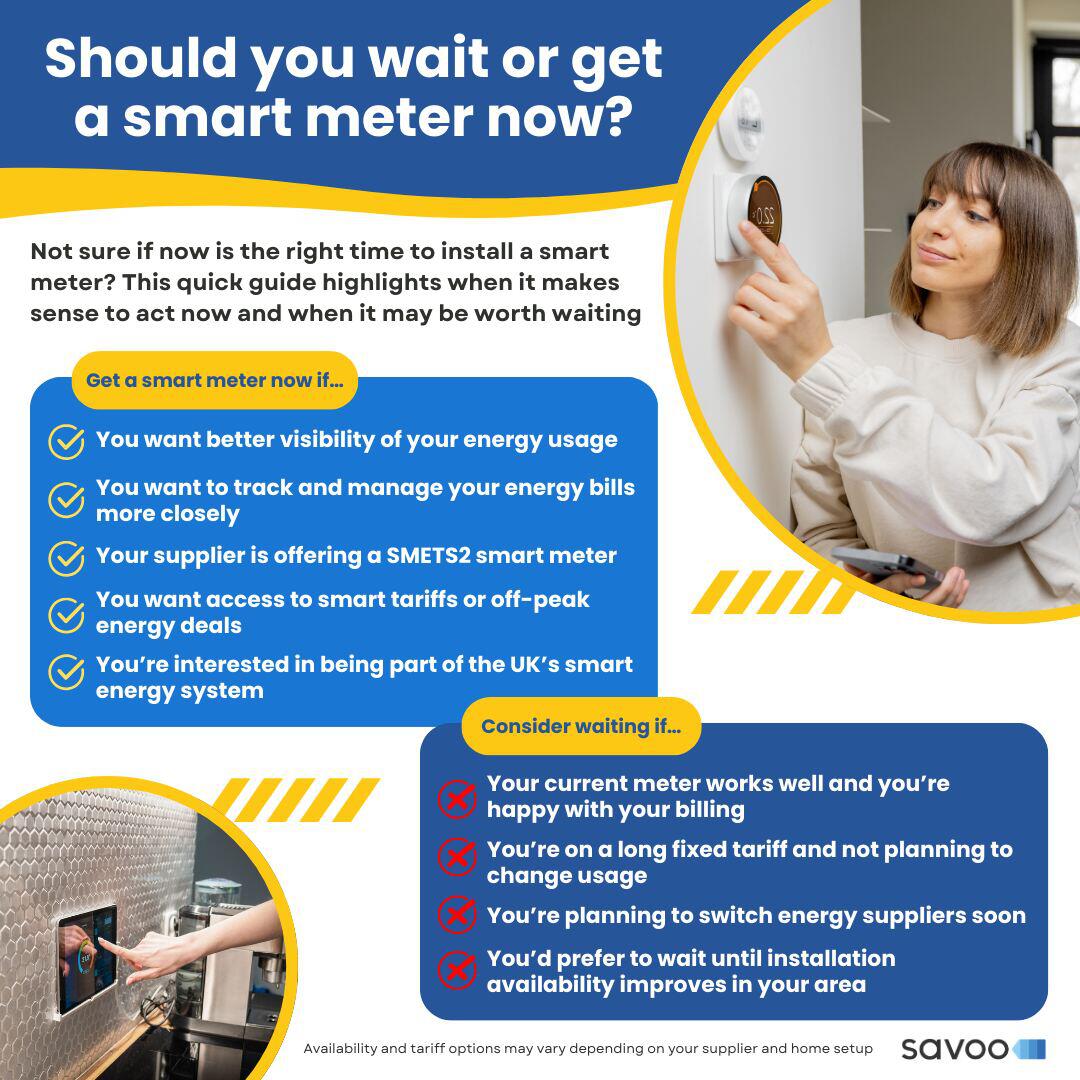
How to maximise savings with a smart meter
Getting a smart meter is just the beginning when it comes to saving energy. The real benefit comes from using its data to learn how and when your household uses energy.
Small changes to your daily habits and trying out smarter tariffs can make it easier to manage your energy spending. Here are some tips to help you get the most from your smart meter
Track your energy usage regularly
Your in-home display or supplier app shows how much energy your home is using, almost in real time. Checking it regularly can help you notice patterns or sudden spikes in usage.
For example, you might see how much electricity certain appliances use or notice that your usage increases at certain times of day. Once you know where your energy is going, it’s easier to make small changes that lower your overall use.
Upgrade to energy-efficient appliances
Older appliances usually use more energy than newer ones. Replacing them with energy-efficient options, such as modern washing machines, fridges, or LED lights, can help lower your running costs over time.
If you’re planning to upgrade your household tech, check to see if there are technology deals and voucher codes on items like LED bulbs, smart thermostats, and other eco-friendly appliances. These can help lower the upfront cost.
Take advantage of smarter tariffs
Many suppliers now offer time-of-use tariffs designed for homes with smart meters. These plans give you cheaper electricity during times when demand is lower.
If your schedule allows, try running the dishwasher, doing laundry, or charging an electric vehicle during off-peak hours. This can help lower your energy costs. For more tips, read our guide on how to save money on your energy bills.
Identify energy-hungry appliances
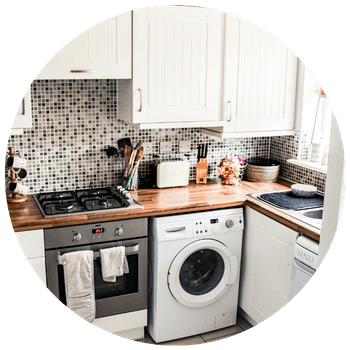
Photo by Evy Prentice on Unsplash
A smart meter can help you find out which appliances use the most energy in your home. By watching your in-home display as you turn appliances on and off, you can often see how much each device adds to your overall usage.
Common high-energy appliances include:
- Tumble dryers.
- Electric heaters.
- Older refrigerators and freezers.
- Dishwashers and washing machines.
If you see your energy use jump when certain appliances are on, you can try the following:
- Use them less frequently where possible.
- Run them during cheaper off-peak tariff periods.
- Replace older models with more energy-efficient alternatives.
Making small changes to when and how you use your appliances can add up over time. Seeing these results right away can help you manage your energy bills more easily.
Final thoughts – Take charge of your energy future
Smart meters might not lower your energy bill right away, but they show you exactly how your home uses energy in real time. The real benefit of smart technology is the control it gives you. You can spot waste, adjust your habits, and make choices that help you save money over time.
If you’re looking for ways to cut your energy spending, installing a smart meter is a good step toward using energy more wisely. If you want to save even more, there are lots of other ways technology can help, like smarter tariffs or tools that help you find better deals.
To explore more ideas, take a look at our guide on 10 cool ways AI can save you money, or browse the latest utilities voucher codes to see where you could reduce your energy bills even further this year.
Frequently Asked Questions
Can a smart meter stop working in Smart Mode?
Smart meters rarely stop working. When your meter is in smart mode, it automatically sends your energy readings to your supplier. This helps make sure your bills match your real usage and lets features like real-time monitoring and smart tariffs work as they should.
If your meter loses its network connection for a while, it may switch to what some call ‘dumb mode.’ It will still track your energy use, but readings won’t be sent automatically, so you might need to send them yourself for a bit. Usually, your supplier can fix this remotely or with a quick update.
Does a smart meter need Wi-Fi?
A smart meter does not use your home Wi-Fi. It connects through a secure national network run by the Data Communications Company (DCC), which links smart meters to energy suppliers across Great Britain. The meter sends readings and gets updates on its own, so your home internet is not needed.
The in-home display that shows your energy use connects straight to the meter, not to Wi-Fi. If the signal drops for a bit, your meter will still record your energy use. You might just need to send manual readings until the connection comes back.
Can I get smart meter compensation?
Sometimes, energy suppliers will offer compensation if there are issues with your smart meter installation or how it works. For example, you might get compensation if an engineer misses an appointment or if your meter is not installed or fixed on time. Ofgem’s Guaranteed Standards of Performance require suppliers to pay compensation in certain situations, usually £30 if they do not meet specific service standards.
If you think your supplier has not met these standards, contact them first to explain the problem. If they do not resolve it, you can make a formal complaint to the supplier or take the issue to the Energy Ombudsman.
Is smart meter top up possible?
If you use a prepayment tariff, you can usually add credit to your smart meter online, with your supplier’s app, or at local PayPoint shops. The credit is added directly to your meter, so you no longer need top-up cards or keys.
You May Also Like

Get discounts at these popular retailers with our voucher codes and promo codes
- MedExpress
- Pets at Home
- MuscleFood
- early learning centre
- MyHeritage
- Roman
- QVC
- Disney Store
- AliExpress
- Virgin Experience Days
- Jacamo
- G Adventures
- iHerb
- iScooter
- P&O Ferries
- Argos
- John Lewis
- Debenhams
- TUI
- Marks & Spencer
- SHEIN
- Very
- Buyagift
- Zavvi
- First Choice
- Dorothy Perkins
- New Look
- Karen Millen
- Footasylum
- Clarks
- H Samuel
- Ernest Jones
- Tesco
- Sainsbury's
- Interflora
- Hotel Chocolat
- Boots
- Holland and Barrett
- LOOKFANTASTIC
- The Body Shop
- B&Q
- Wickes
- Dunelm
- ao.com
- Currys
- Nike.com
- SPORTS DIRECT
- Halfords
- Myprotein
- Domino's
- boohoo
- Missguided
- HP
- Sky
- BT Broadband
- Travelodge
- lastminute
- Bulk
- Samsung
- Booking.com
- Boomf
- In The Style
- Pizza Hut
- Ted Baker
- Hive Home
- Omio
- Mindful Chef
- Amazon
- Amazon Prime Free Trial
- VonHaus
- Gtech
- BAM
- Home Essentials
- Alienware
- Gousto
- Moonpig
- Pandora
- Papa John's
- Toolstation
- eBay
- NordicTrack
- Bloom and Wild
- Asos
- Superdrug
- JD Sports
- Temu